Providing care for a loved one with a neurological condition—such as stroke, Parkinson’s, dementia, or multiple sclerosis—is one of the most meaningful yet demanding roles someone can undertake. Neurological disorders often progress slowly, require ongoing attention, and demand both physical and emotional resilience. At the same time, many caregivers find themselves overwhelmed, isolated, and at risk of burnout. This guide offers key insights, expert data, and practical tips to help you navigate this journey with strength, knowledge, and compassion, especially if you are seeking professional neurological care in Norwich.
The professional support can significantly improve the management of neurological conditions at home for families looking for good home care in Norwich. Having access to reliable home care services in Norwich guarantees that patients receive kind support while caregivers obtain much-needed respite and direction.
Understanding the Emotional and Physical Burden
Caring for someone with a neurological illness isn’t just physically demanding—it deeply affects mental health and everyday life. Studies show that caregivers often experience high levels of psychological distress. For instance:
Nearly three-quarters of caregivers report feeling unhappy or having difficulty enjoying daily life while caregiving, with many experiencing ongoing stress or anxiety. Lippincott Journals
Research from India suggests that over 70% of caregivers experience fatigue, especially when caring for someone requiring long hours of support each day. PMC
These numbers show how common caregiver stress is—and why having strategies to manage it is essential.
What the Experts Say
Dr. Linda Jones (Neurology Specialist) emphasizes:
“Caregivers are the backbone of long-term care, especially for neurological conditions. But without proper support and self-care, the emotional and physical toll can be significant. Caregiving should never mean sacrificing your own well-being.”
This perspective is echoed in clinical sources that describe caregiver burnout as a state of mental and physical exhaustion that occurs when the demands of caregiving exceed personal resources. Cleveland Clinic
Recognizing When You Need Professional Help

Even the most dedicated caregivers need support. Consider professional care when:
✔ The person you care for needs complex medical monitoring or specialized therapy
✔ You feel overwhelmed, anxious, or depressed even after trying self-care
✔ Daily care is interfering with your job, relationships, or physical health
✔ You struggle to manage tasks like medication, mobility support, or emergency responses
Professional care (such as a neurologist, trained nurse, or therapeutic specialist) can provide not only medical support but education, planning advice, and relief so you’re not alone in this journey.
By selecting professional Domiciliary Care Norwich services, families can benefit from expert medical supervision and emotional support, while those with neurological problems can receive individualized care in familiar surroundings.
Taking Care of Yourself Matters Too
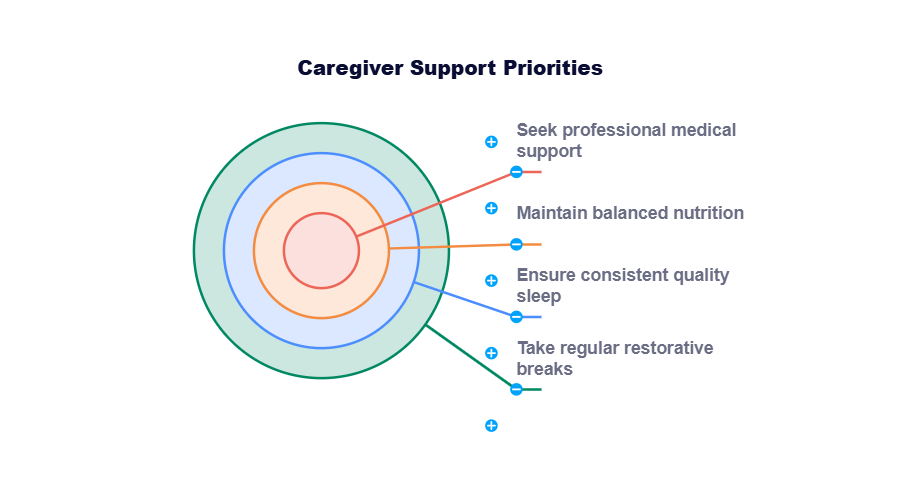
Excellent caregiving starts with you. If you run yourself into the ground, both you and your loved one suffer. Prioritize these wellness habits:
Daily Exercise
Even short walks or light stretching help reduce stress and improve energy—crucial when caregiving tasks are physically demanding.
Healthy Eating
Nutritious meals support stamina, immune function, and mood stability. Balanced nutrition helps you stay strong in the long term.
Quality Sleep
Rest is restorative. Create a bedtime routine and share caregiving duties if possible, so you get adequate rest.
Meditation & Relaxation
Mindfulness, deep breathing, and short meditation breaks can reduce anxiety and clear your mind during stressful days.
Leisure & Social Networking
Make time for hobbies, friendships, and enjoyable activities—even for short moments. Social connection supports emotional resilience. Caregiver Support Network
Self-care isn’t selfish—it’s vital for sustainable caregiving.
Be Prepared: What Every Caregiver Should Expect
Being a caregiver often means wearing many hats: nurse, communicator, advocate, scheduler, and emotional support. To prepare yourself:Expect demanding days—but also moments of profound meaning and connection.
Ending Thought: You Are Not Alone
Caring for someone with a neurological condition is one of the toughest—but also one of the most compassionate—roles someone can take on. The pressures can be intense, but the right knowledge, support system, and self-care habits can transform your journey from overwhelming to manageable.
Professional carers can make the process of providing care easier and enhance the quality of life for patients and their families, whether you are looking for short-term assistance or long-term home care services in Norwich.